
The Role of Breather Bags in Reducing Oxygen Exposure During Storage
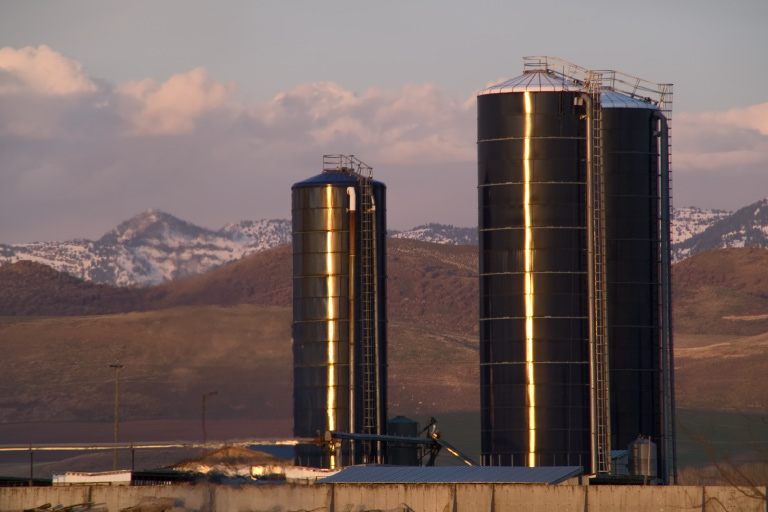
Storing feed crops is not just about having space in a silo. The real challenge is keeping that feed fresh and nutritious until it is needed. One of the biggest threats to stored feed is oxygen.
Oxygen is helpful for people, but it is harmful to stored silage and grain. It causes mold, heating, and the loss of valuable nutrients. Farmers know how frustrating it is to peel off moldy layers from the top of a silo and see part of their harvest wasted.
Breather bags were created to stop this problem. These flexible air reservoirs are often called the lungs of airtight silos. They allow silos to adjust to changes in pressure and temperature without pulling oxygen into the feed. In plain terms, they keep air out and protect what is stored inside.
If you are looking for high-quality silo breather bags for sale, Specialty Plastic Fabricators is your trusted source.
Why Oxygen Spoils Stored Feed
When silage, haylage, or grain is placed into storage, the goal is to keep it preserved until it is fed to animals. Oxygen makes this difficult.
Molds and yeasts begin to grow as soon as oxygen is present. They heat up the feed and create visible spoilage. Nutrients break down quickly. Sugars and proteins that are important for livestock are lost through chemical reactions with air. Farmers often end up throwing away spoiled layers from the top or sides of a silo.
Even small amounts of oxygen can cause problems. That is why limiting oxygen is one of the most important steps in feed storage.
Traditional Silos Versus Airtight Silos
Older silos, like vented concrete towers or open bunkers, let air move in and out freely. Cracks in the walls, open vents, and open doors give oxygen many ways to get inside. As a result, the top and sides of the feed often spoil and have to be discarded.
Airtight silos are different. They are sealed to keep outside air from entering. This reduces spoilage, but sealing a silo creates another challenge. As temperatures change from day to night, the gases inside expand and contract. Without a way to handle that pressure change, even a sealed silo will eventually pull in air.
Breather bags provide the solution.
How Breather Bags Work
A breather bag is a large, flexible bag made from strong vinyl or reinforced PVC. It is connected to the top of an airtight silo.
On hot days, the gases inside the silo expand. Instead of pushing out through cracks or seams, the extra pressure flows into the breather bag. At night, when it cools, the gases shrink. Normally, this would cause the silo to pull in outside air. With a breather bag, the vacuum simply pulls air into the bag itself, not into the feed.
This simple system allows the silo to breathe without letting oxygen touch the stored crops.
The Benefits of Breather Bags for Silage and Grain
Breather bags improve the quality of stored feed in many ways.
There is less spoilage, so farmers do not need to throw away large moldy layers. More nutrients are preserved, which means higher energy feed for animals. Fermentation is more complete, creating acids that naturally protect silage. Storage life is longer, sometimes stretching over a year, with very little decline in quality.
With a breather bag, the feed that goes into the silo comes out months later in almost the same condition.
Materials Built to Last
Breather bags face daily pressure changes, high humidity, and the acidic gases created by silage. They need to be strong and reliable.
Vinyl and reinforced PVC are the main materials used. These are treated to resist mold, mildew, and sunlight. The seams are heat-welded to keep them airtight and strong. Heavy-duty grommets and supports hold the bag securely in place.
Durability is essential. If a bag tears or wears out, oxygen can get in and spoil the contents.
How Breather Bags Compare to Other Methods
There are several other ways farmers try to limit oxygen in storage. Each has advantages, but breather bags are usually the most practical choice.
- Vacuum sealing works for small food packages, but is not realistic for full silos. The equipment would be large and costly, and even a small leak would ruin the seal.
- Nitrogen or carbon dioxide flushing can replace oxygen with safer gases. This works in sealed grain bins or fruit storage. The downside is that it requires constant supplies of gas and monitoring equipment.
- Oxygen-absorbing packets are common in food packaging. In a silo, thousands of packets would be needed. That makes them impractical for farm-scale storage.
- Plastic covers and films are used on bunkers and piles. They reduce oxygen exposure from above but do not adjust to pressure changes.
Each option has its place. For large silos, breather bags are simple, automatic, and dependable.
What Farmers Notice in Practice
On farms that use breather bags, the difference is clear. The top layer of silage is fresher and cleaner, with little or no mold. There is less waste overall, which means more of the harvest ends up feeding animals.
Livestock also benefit. They receive feed that is higher in energy and more appealing to eat. This supports better production and healthier herds. Farmers gain flexibility, too. Because feed keeps longer without spoiling, they can build reserves and manage inventory more effectively.
A Farmer-Friendly Solution
The biggest advantage of breather bags is their simplicity. Once installed, they work automatically. Farmers do not need to run pumps, manage gas tanks, or handle extra equipment. The only task is to check the bags occasionally to make sure they are in good condition.
This ease of use sets breather bags apart from more complicated methods. By working quietly in the background, they protect harvests and reduce losses year after year.
Why Specialty Plastic Fabricators is the Top Choice
When it comes to choosing breather bags, Specialty Plastic Fabricators is a trusted leader.
Our company has been making silo breather bags for more than 40 years. They use a proven design built with either 16-gauge vinyl or 14-ounce reinforced PVC. These materials resist mold, mildew, fungus, and UV exposure. They are made to perform in tough farm environments and in extreme temperatures.
Specialty Plastic Fabricators uses RF welding to create airtight seams. This welding method has been trusted in silo systems for more than 50 years. It produces wide seams that add strength and keep the bags sealed tight.
Standard sizes are available for 20-foot and 25-foot diameter silos, along with 5-foot and 7-foot external straight bags. If your silo does not fit a standard size, Specialty Plastic Fabricators also creates custom breather bags.
Farmers can get exactly what they need for their setup.
Their breather bags also include durable features such as sealed yokes for hanging, reinforced grommets, and heavy-duty oarlocks. These details ensure long-lasting performance in real farm conditions.
Specialty Plastic Fabricators are part of CTO Enterprises and bring decades of craftsmanship and customer care. Since 1978, they have specialized in custom vinyl fabrication and today operate from a modern 18,000 square foot facility. Every product is made in the USA with a focus on quality and reliability.
Choosing Specialty Plastic Fabricators means working with a team that understands silos, knows materials, and cares about long-term performance. Their breather bags are built to protect your feed, reduce waste, and make storage more dependable.
Ready to protect your harvest? Contact us today to request a quote.